
Field notes
Notes from the products we ship.
Practical writing on software engineering, AI-powered products, scalable architecture, and the decisions that hold up in production.
- 22Notes
- 5Topics
- 2026Latest year
- LiveFrom the shop floor
The notebook
A wider look at what we're thinking.
Filter by topic. Every note comes from work we have actually shipped — architecture, AI, mobile, and the product decisions around them.
LatestAI
Building Reliable AI Systems: Why Software Still Needs to Stay in Control
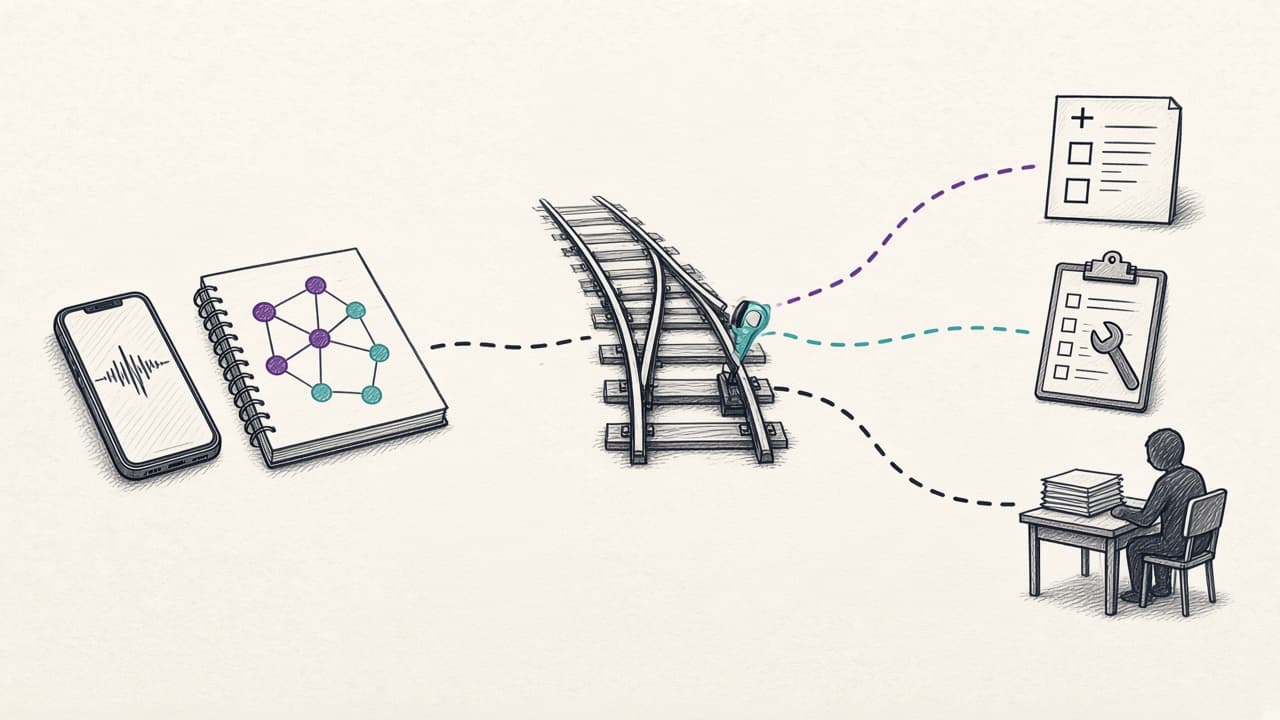
One thing we’ve learned from building AI into real products: the smarter the model gets, the more important the software around it becomes. We ran into this while building ServiceBrief AI at WonderIT. Imagine a technician leaves a voice note: “AC is running again, but the compressor is pulling high amps. Customer may need a […]

Guardrails aren’t just for frontier labs
Anthropic’s CEO just told the world to slow down. This weekend, Dario Amodei published an essay calling for AI companies to deliberately pace how fast they push model capabilities forward — arguing that safety, oversight, and alignment work need to catch up before the industry pushes further. OpenAI’s Sam Altman and even Elon Musk publicly […]
Read→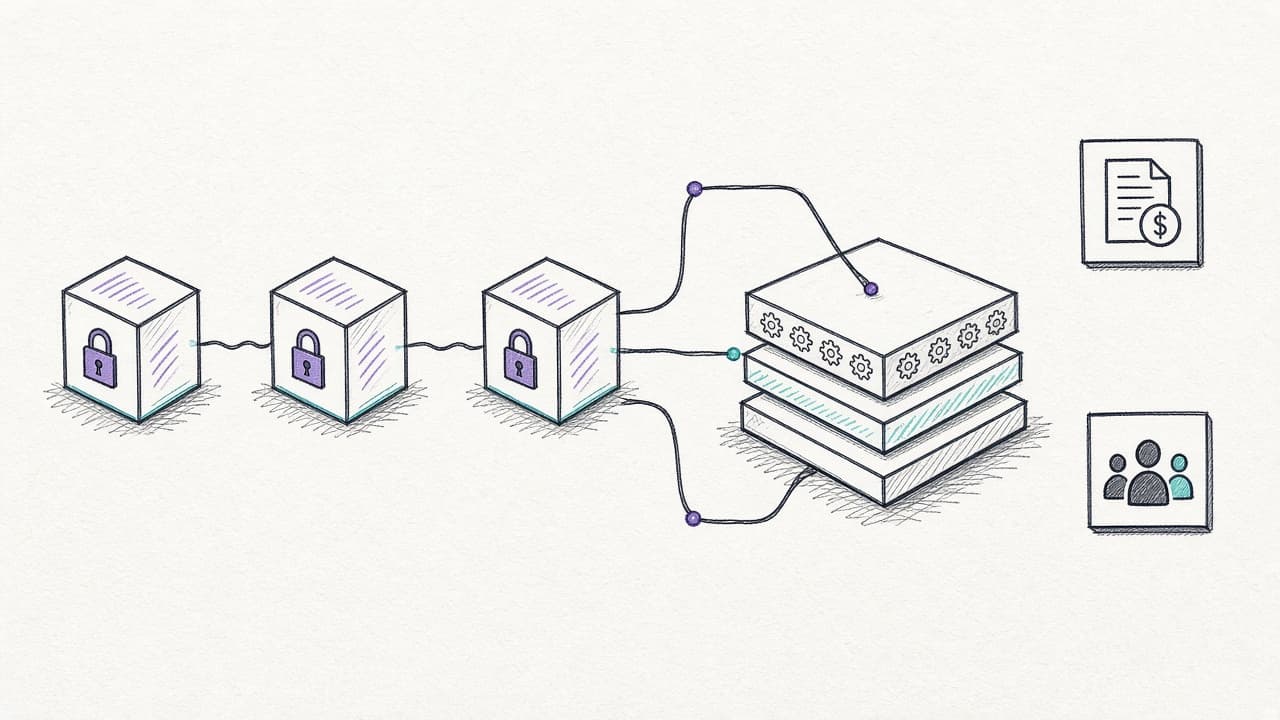
Shipping a real multi-tenant SaaS
A convincing AI demo can live in one database row and a .env file. A product cannot. ServiceBrief AI is multi-tenant from the data model up: organizations, users, plans, knowledge, inboxes, and jobs. This post is the unglamorous work that makes the AI features safe to sell. Isolation is a query habit, not a middleware […]
Read→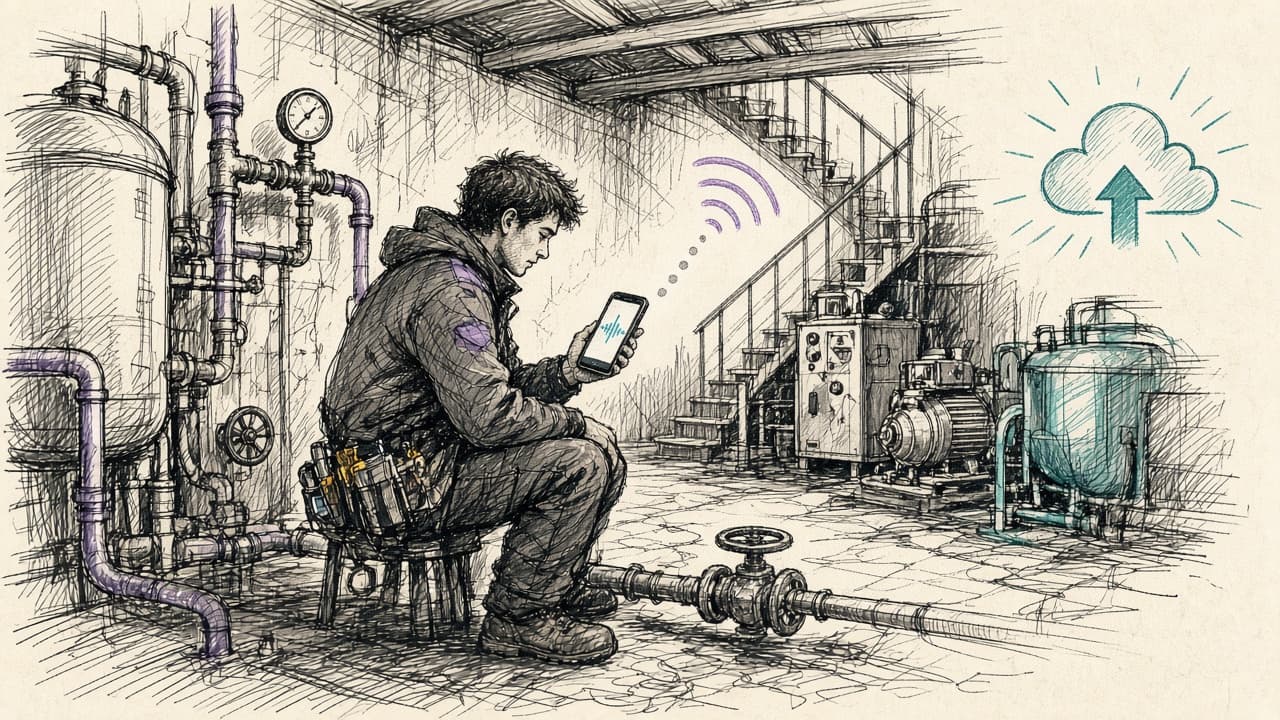
Capturing jobs when the signal drops
The worst place to require a perfect connection is the place the work happens: a basement mechanical room, a steel building, a rural driveway. If capture only works on office Wi-Fi, you did not build a field product. ServiceBrief AI is a web app with PWA support, not a pair of native stores. This post […]
Read→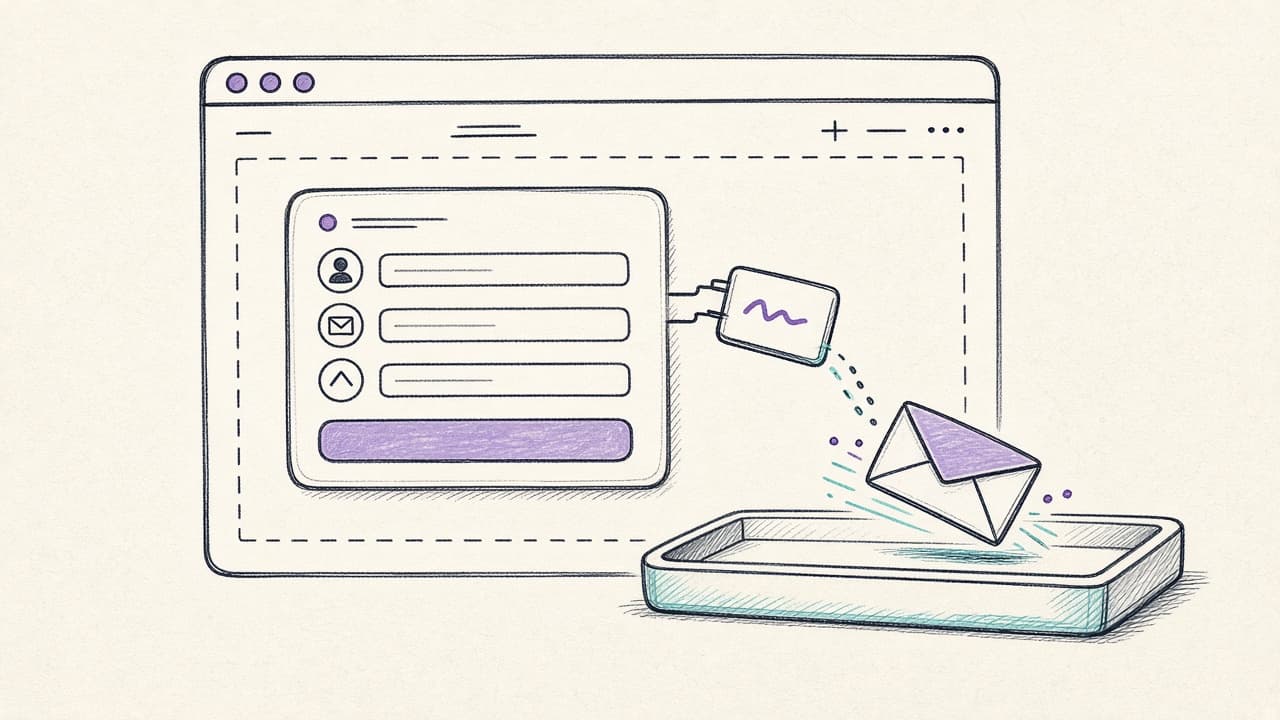
A website lead form field teams can actually embed
Most “contact us” forms on service websites email the office and die. The interesting version is a form that looks like the company, asks for the right fields, and lands in the same operations product as calls and voice notes. ServiceBrief AI ships a public embed for that. This post is what we had to […]
Read→
An operations inbox for field-service email
The shop email is where quote requests, “are you coming today,” technician photos, vendor PDFs, and spam coexist. Forwarding that inbox to a human is a job. Forwarding it to an AI that opens a work order per newsletter is a different problem. ServiceBrief AI’s inbox is review-first. Mail is captured and classified. A manager […]
Read→
After-hours phone intake without auto-creating jobs
The call that matters arrives when nobody can pick up. The failure mode is not “no recording.” It is a Monday board full of junk jobs a bot opened from hang-ups, spam, and “is this the pizza place.” For ServiceBrief AI we wanted missed-call coverage that still respects the office. Capture the call. Do not […]
Read→
Quote drafts that stay honest
A quote is a promise. If software writes one, the numbers have to come from the company’s book or from a person who typed them. “The model thought $420 sounded right” is not a commercial process. ServiceBrief AI treats quote generation as matching and drafting, not as creative writing. This post is the rule and […]
Read→
Company knowledge that cannot leak to the customer
Retrieval-augmented generation is often sold as “chat with your PDFs.” Field service cannot use that slogan. Some of the PDF is a customer-safe explanation. Some of it is an internal lockout procedure, a wholesale cost, or a troubleshooting tree you would never print on a fridge. In ServiceBrief AI, company documents are first-class, but they […]
Read→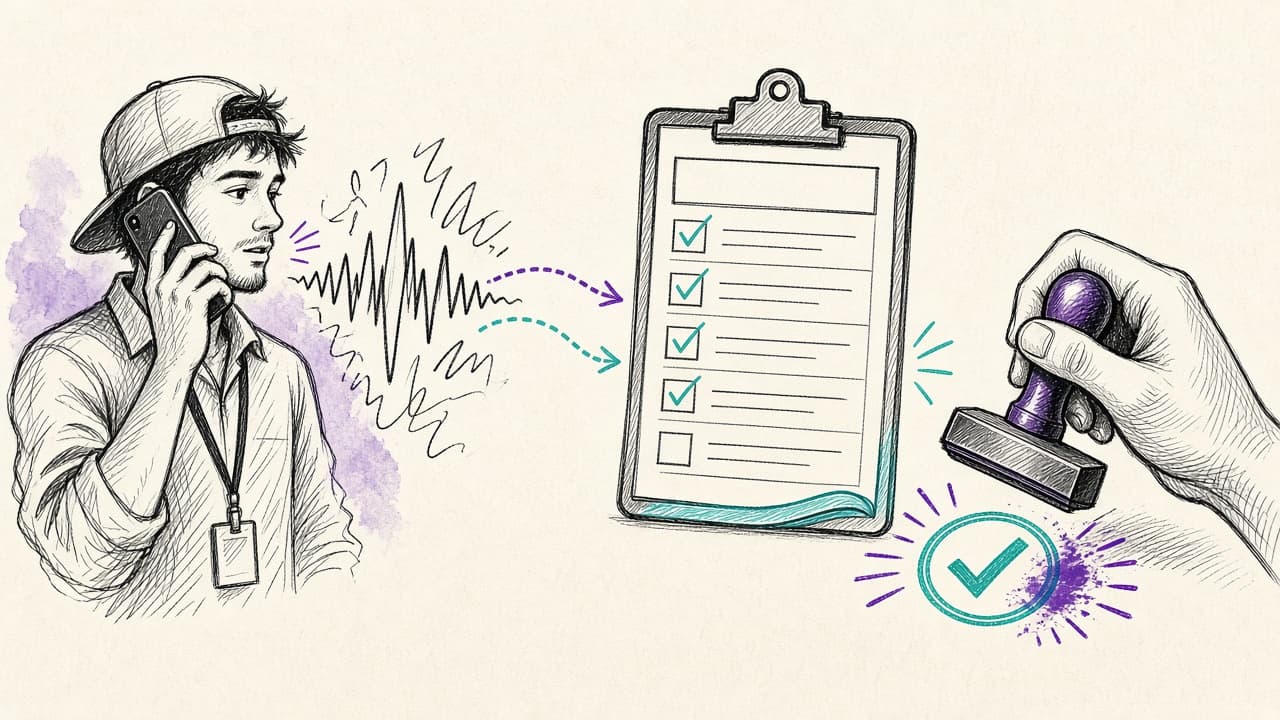
From voice note to structured service report
A technician voice note is a terrible document and a perfect input. It has the diagnosis, the parts, the “we should come back Tuesday,” and the thing the customer was actually worried about. It also has coughs, radio, half sentences, and no headings. When we built ServiceBrief AI, the pipeline from that note to a […]
Read→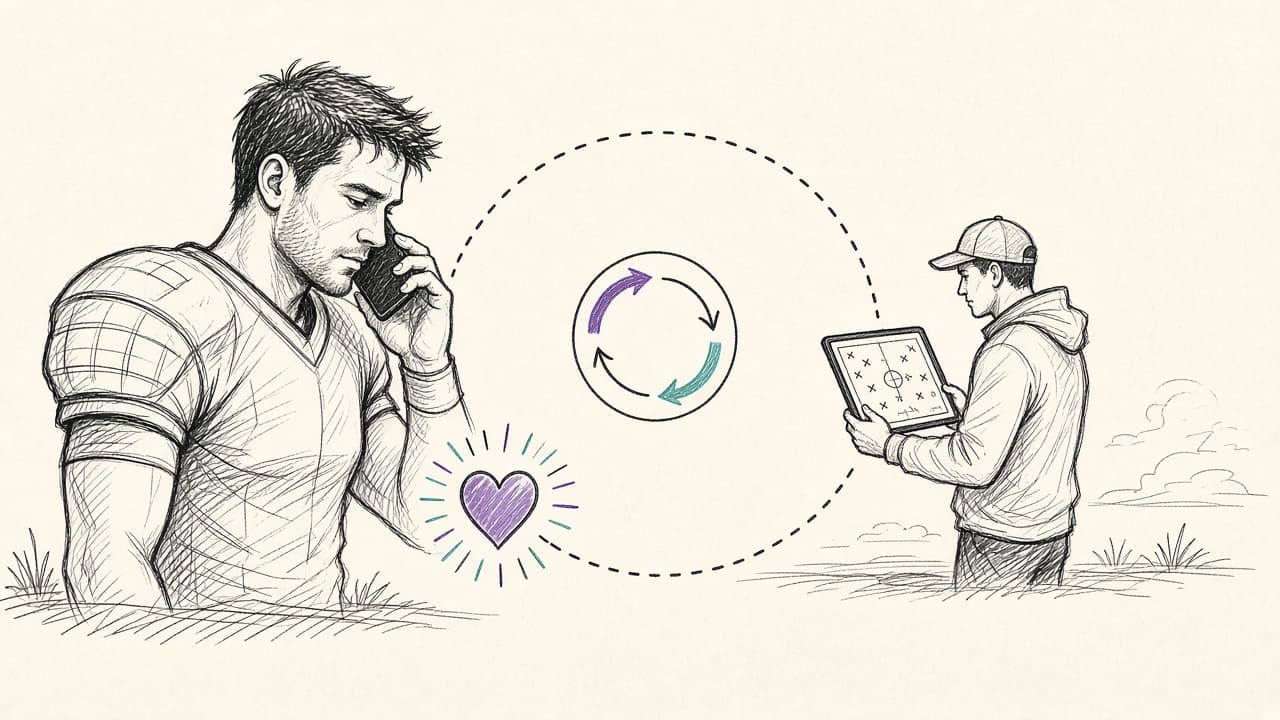
Closing the loop: player progress, wellness, and engagement in Next11
Coach tools create data. Player apps create habit. Next11’s system is strongest when athletes understand their own load and progression — not only when staff review charts after training. WonderIT helped shape the player-facing mobile experience that turns tracked sessions into personal feedback, wellness input, and ongoing engagement. Why the player app is strategically important […]
Read→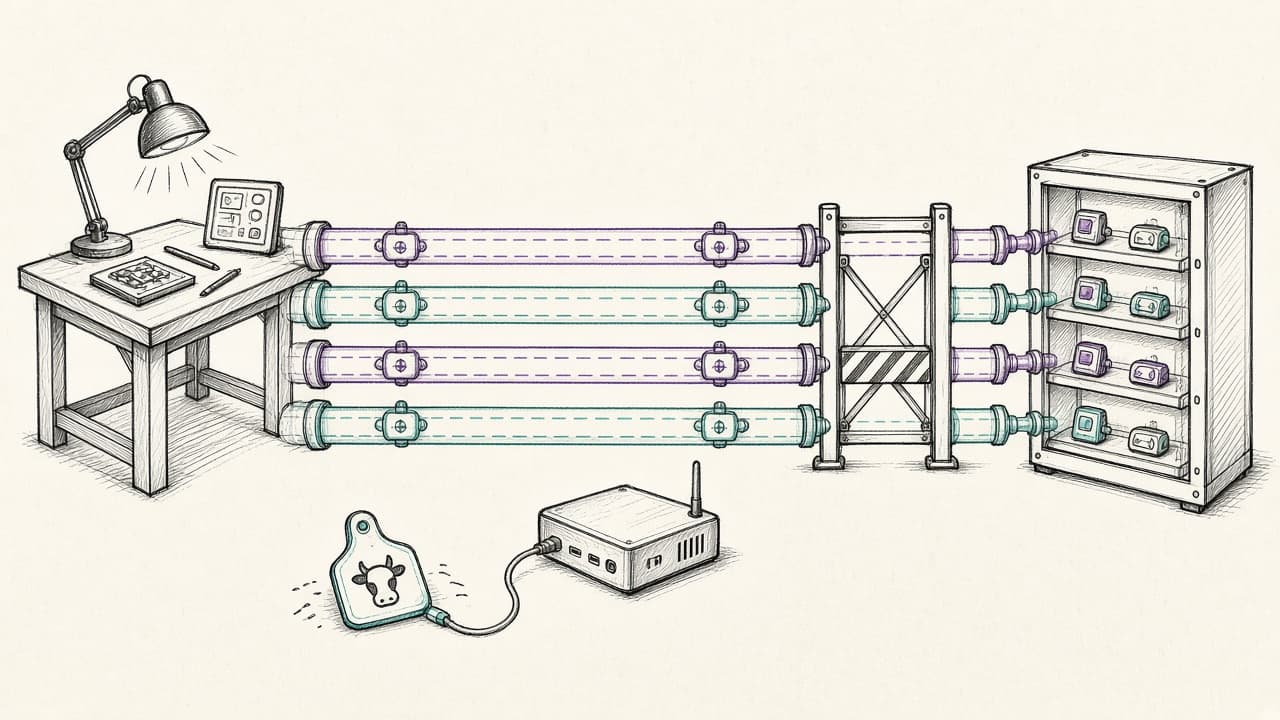
Shipping hardware-connected apps safely: Expo EAS environments for Next11
A sports tracking app tied to physical devices cannot treat releases casually. A bad build is not just a UI bug — it can interrupt how clubs train. For Next11, WonderIT worked within a multi-environment Expo EAS setup that separates testing, staging, pre-production, and production concerns while still supporting fast iteration through OTA updates. Why […]
Read→
Match-day reliability: designing live session flows that survive the pitch
Demo environments forgive flaky software. Football sessions do not. When coaches use Next11 live, the product is competing with weather, congested networks, battery realities, human haste, and the simple fact that training continues whether the UI is ready or not. Reliability is therefore not only uptime — it is recovery design. Failure is part of […]
Read→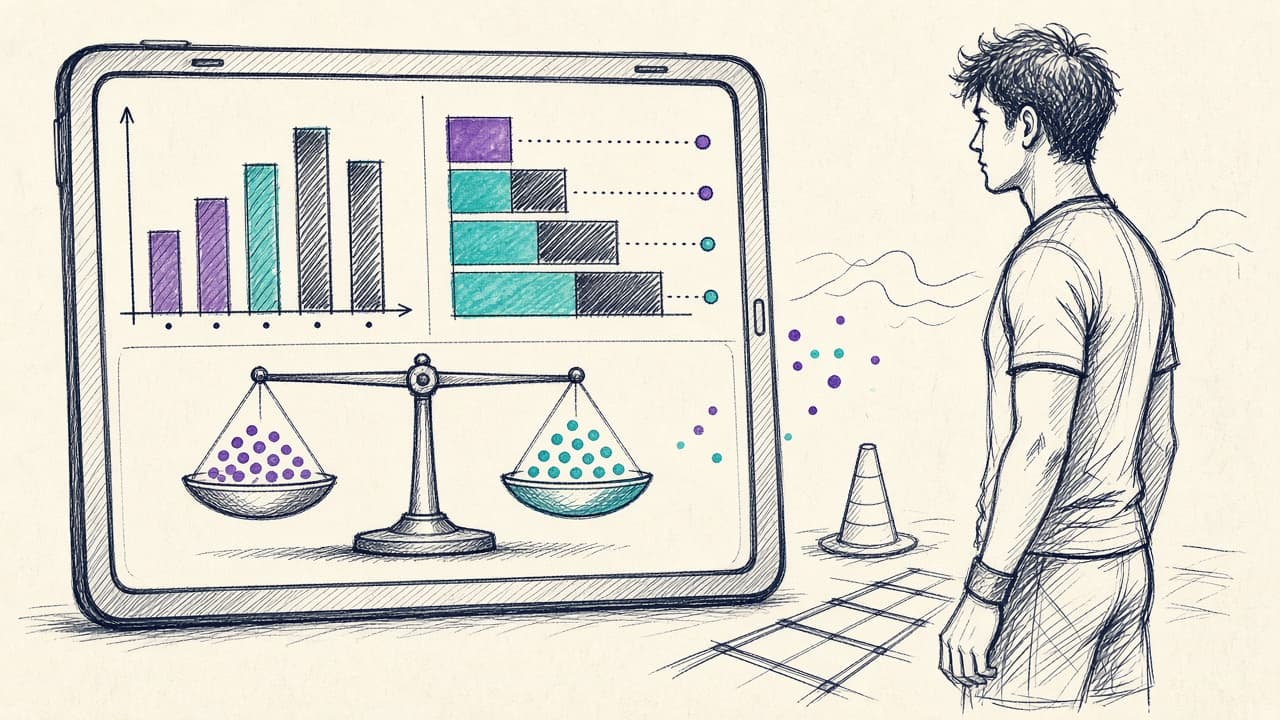
Making sports science usable: load, intensity, and acute:chronic UX in Next11
Sports science only creates value when a coach can use it in under a few seconds. A perfect model buried in a dense dashboard is still a failed product. In Next11, metrics such as intensity zones, weekly load, custom benchmarks, and acute:chronic workload ratio are central to how staff plan training and reduce avoidable risk. […]
Read→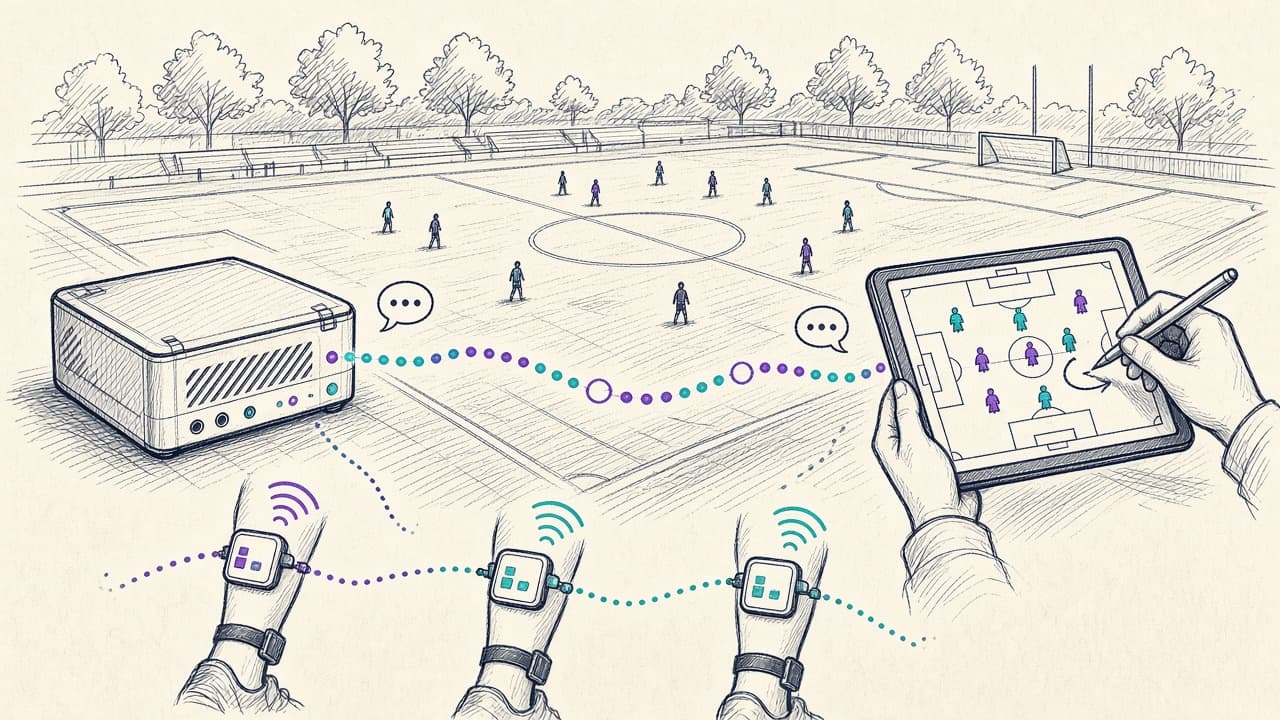
Talking to the pitch: MQTT, Edge hardware, and realtime React Native
Mobile apps are easy when the only server is in the cloud. They get interesting when the critical machine is sitting on the sideline. Next11’s coach experience depends on an Edge device that receives data from player tags and makes live performance signals available to the tablet. For WonderIT, that meant treating realtime hardware communication […]
Read→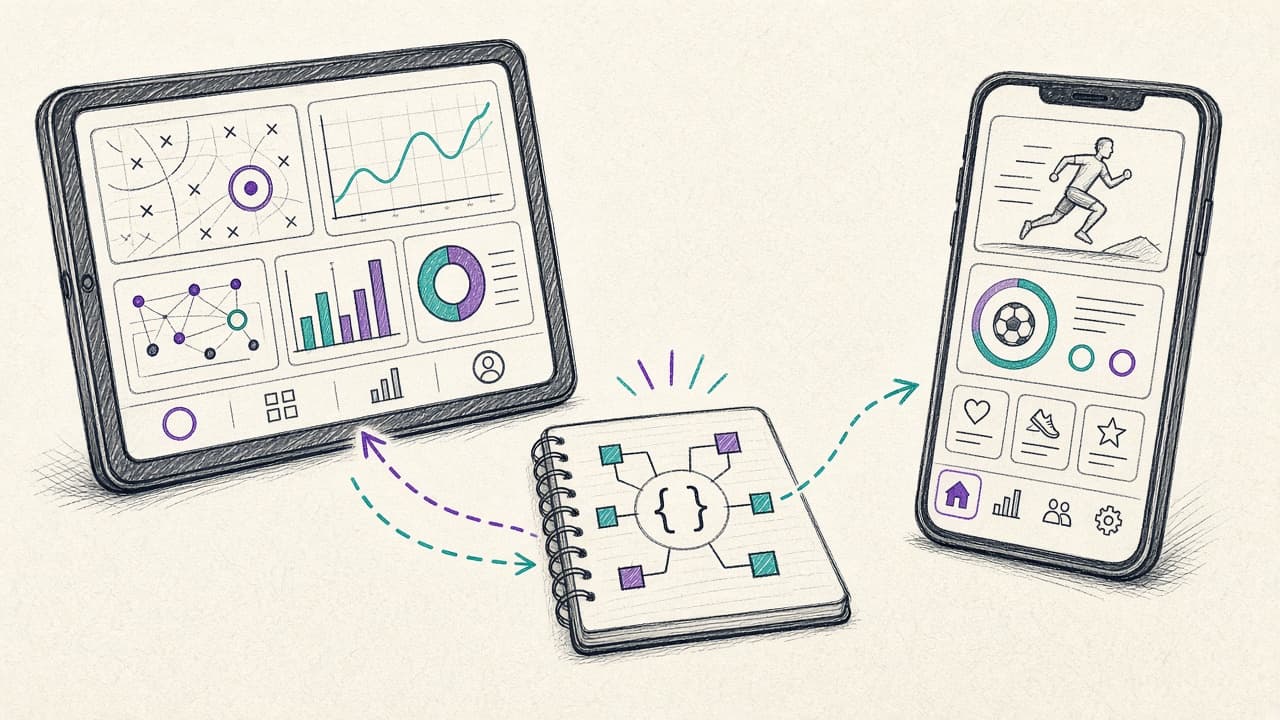
One codebase, two products: building coach and player apps for Next11
Many “multi-role” apps fail for a simple reason: they treat different users as the same person with different permissions. In sports performance software, that mistake is expensive. Coaches and players do not need the same screens with a few buttons hidden — they need different products that share a domain. On Next11, WonderIT helped evolve […]
Read→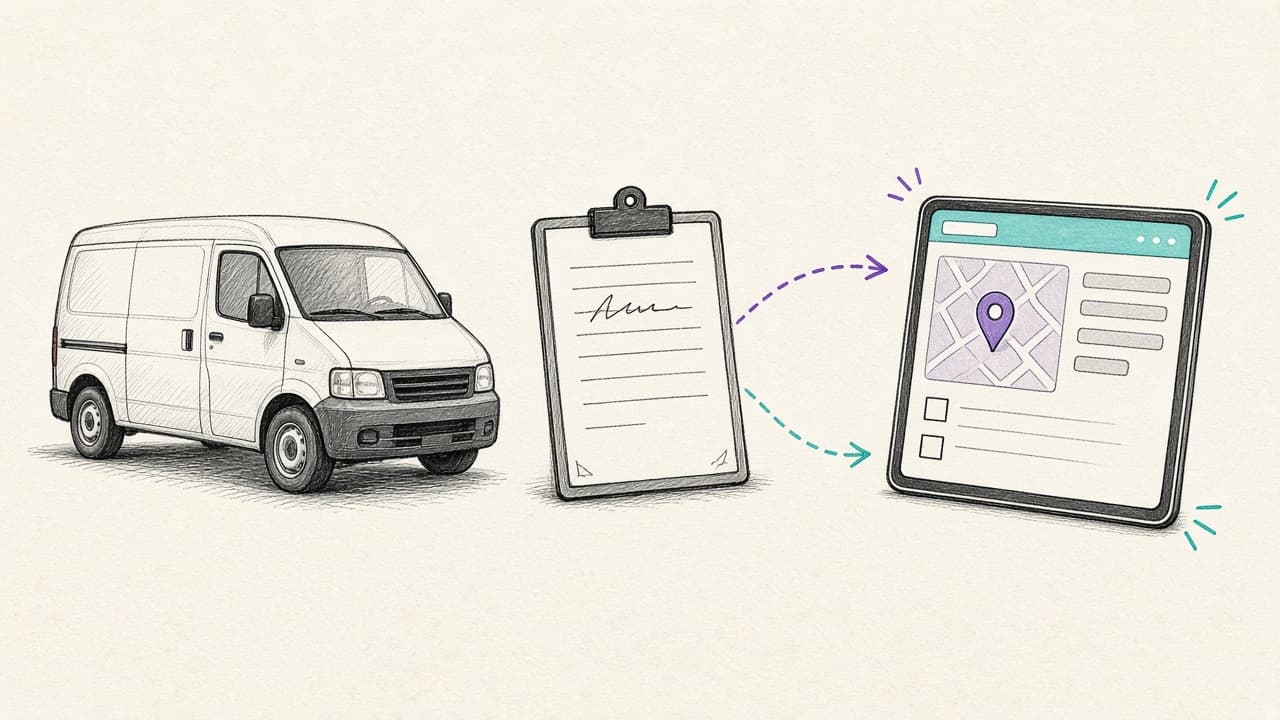
Introducing ServiceBrief AI.
ServiceBrief AI helps busy field service teams turn calls, emails, voicemails, and technician notes into organized jobs, service reports, follow-ups, and quote opportunities. Most service businesses don’t lose work because they don’t have enough tools. They lose work because important details get buried. A customer leaves a voicemail. A technician mentions extra work in a […]
Read→
Building Future-Ready Digital Products: Key Principles for Modern Software Success
Technology is evolving faster than ever, and businesses are under increasing pressure to deliver digital experiences that are fast, scalable, and capable of adapting to changing market demands. Whether developing a web platform, mobile application, SaaS product, or internal business system, long-term success depends on more than simply writing code—it requires strategic planning, modern architecture, […]
Read→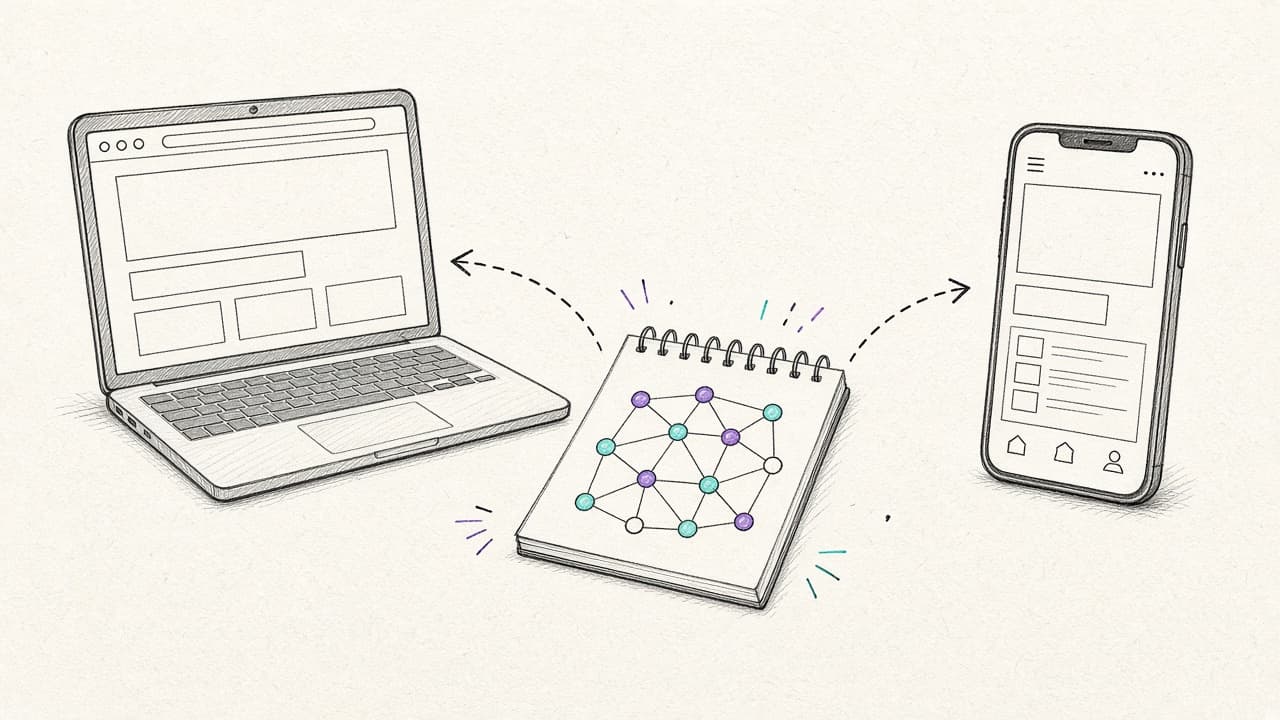
How AI Is Transforming Web and Mobile App Development in 2026
Artificial Intelligence is no longer a futuristic concept reserved for large technology companies. Today, AI has become one of the most powerful tools available to businesses looking to improve customer experiences, automate processes, and gain a competitive advantage. From intelligent chatbots and recommendation engines to automated workflows and predictive analytics, AI is reshaping how modern […]
Read→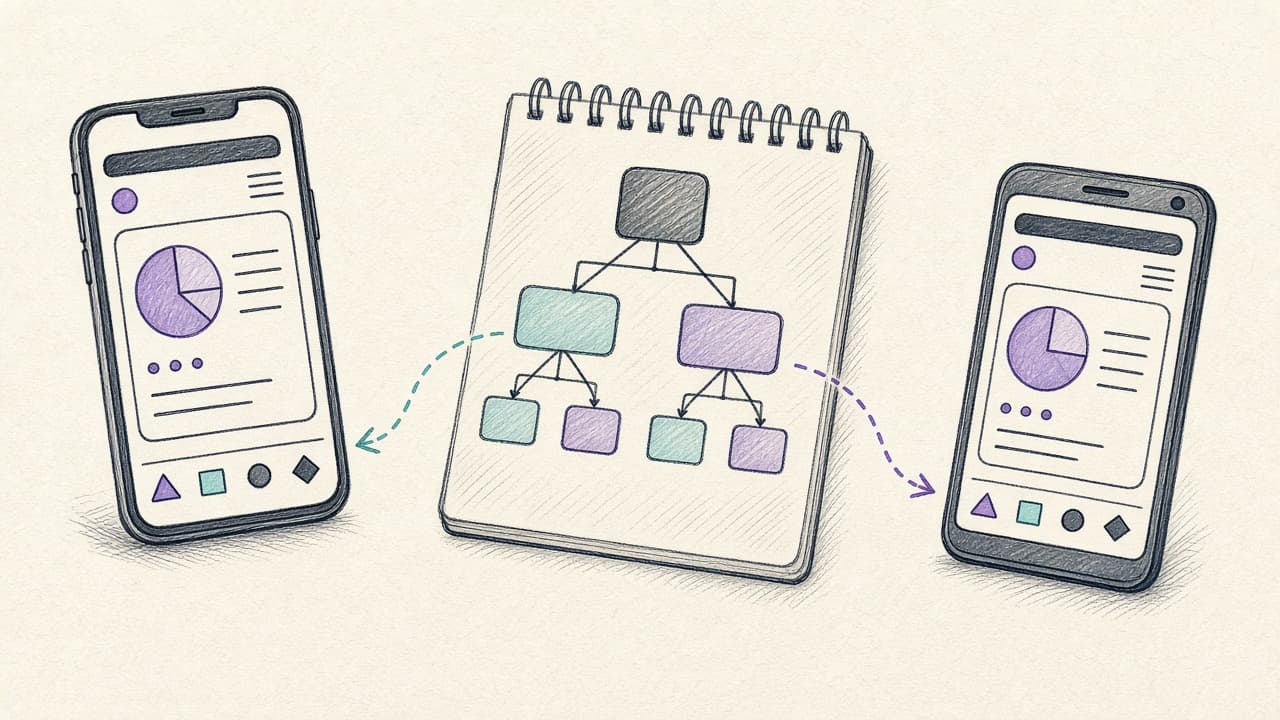
React Native in 2026: Why It’s One of the Best Choices for Mobile App Development
The mobile app industry continues to grow at an incredible pace. Businesses of all sizes are investing in mobile applications to improve customer engagement, streamline operations, and create new revenue opportunities. However, one of the biggest challenges companies face is choosing the right technology stack for development. Among the many options available today, React Native […]
Read→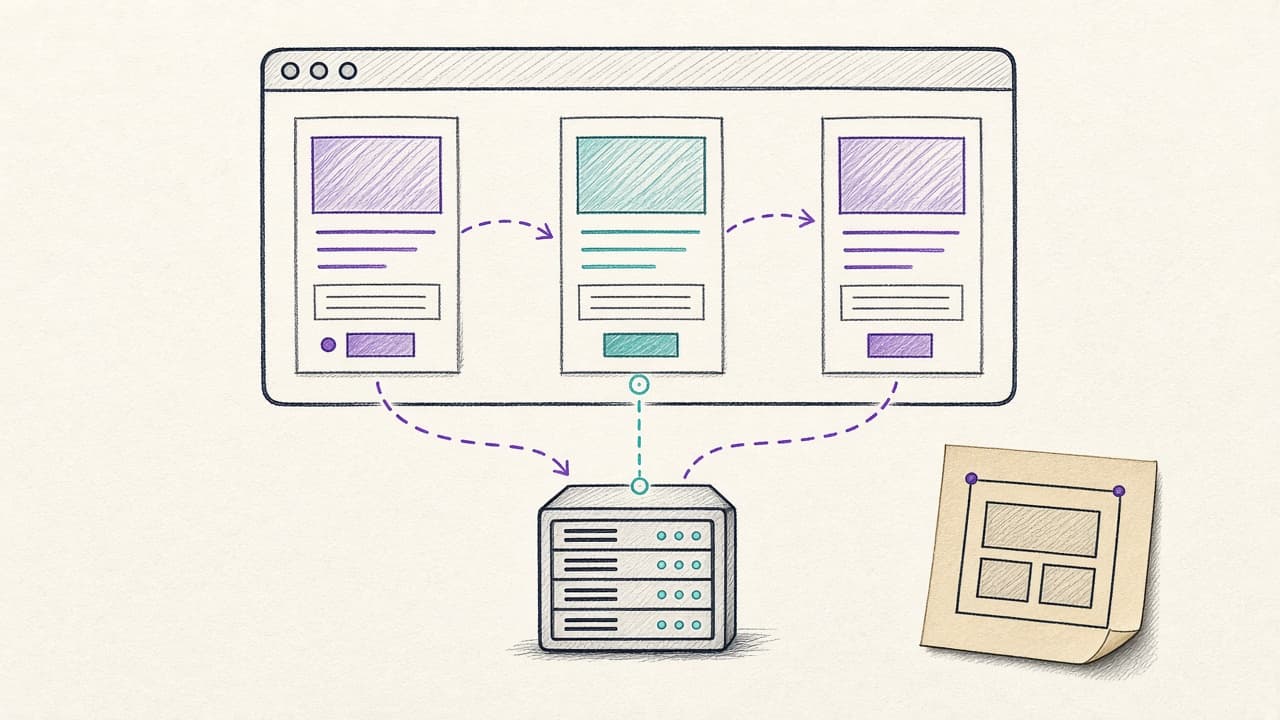
Next.js in 2026: Why It Has Become the Go-To Framework for Modern Web Applications
Building modern web applications requires more than just creating attractive user interfaces. Businesses today need websites and applications that are fast, scalable, search-engine friendly, and capable of delivering exceptional user experiences across all devices. This is where Next.js has established itself as one of the most powerful frameworks available for modern web development. Built on […]
Read→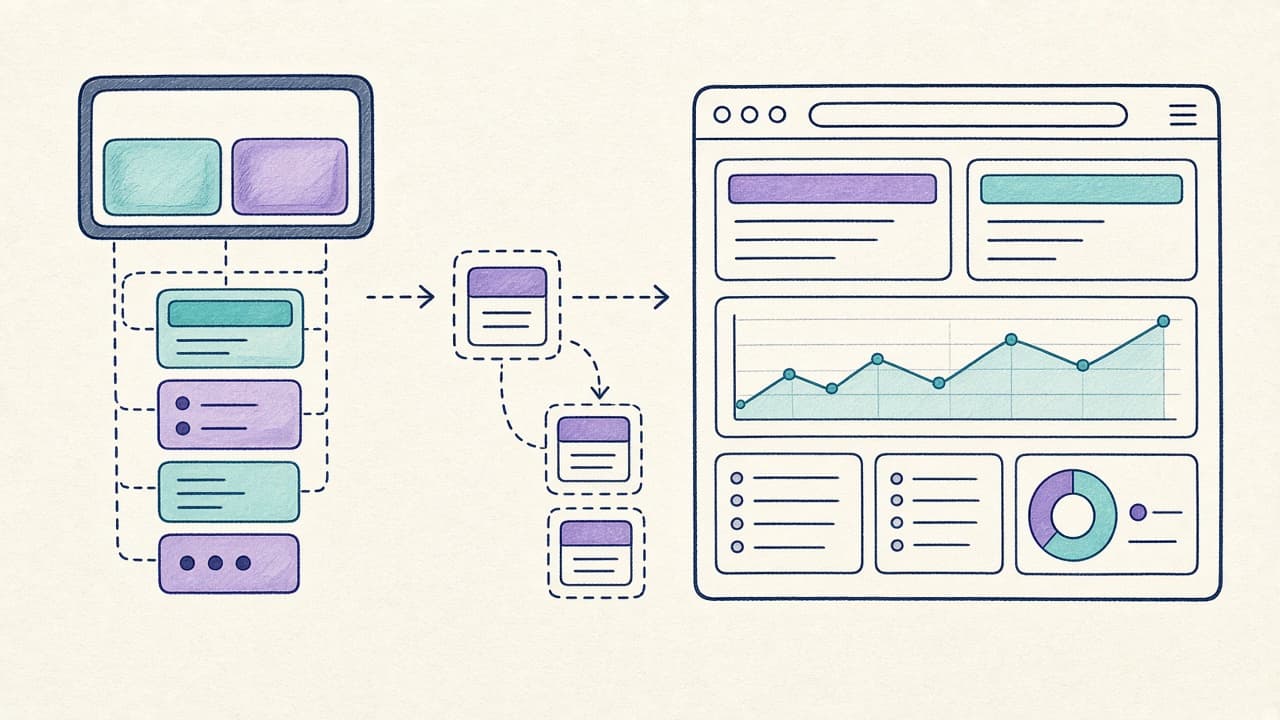
React.js in 2026: Why It Remains One of the Best Choices for Modern Web Development
When it comes to building modern web applications, few technologies have had as much impact as React.js. Since its introduction, React has transformed the way developers create user interfaces, making applications faster, more maintainable, and easier to scale. Today, React powers countless websites, SaaS platforms, enterprise systems, and digital products used by millions of people […]
Read→